
Biohazard & Virus Decontamination In Babylon, Islip, Montauk, Suffolk County, Hempstead, Huntington, Long Island, NY, and the Surrounding Areas
Available 24/7 + We Can Be There Within an Hour
CALL NOW! (516) 580-3775
Your local health experts for biohazard decontamination & remediation
Household cleaners aren’t enough to properly sanitize biological hazards, and trying to clean them up yourself can spread contamination or expose others to health risks.
At Omni Clean, we provide professional, certified biohazard remediation across Long Island, including Babylon, Islip, Montauk, Suffolk County, Hempstead, and Huntington. Available 24/7, our team uses hospital-grade disinfectants and specialized equipment to restore your property to a clean, safe state.
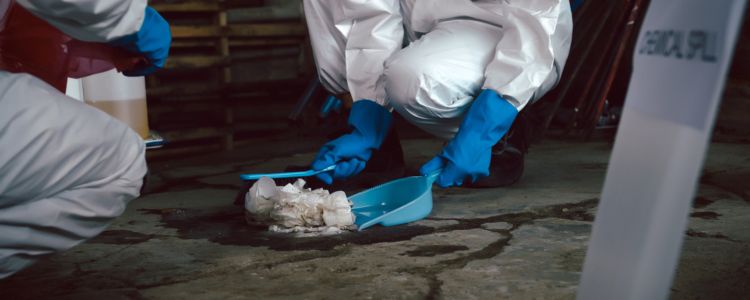
Trauma Cleanup: How it Works in 3 Easy Steps
Contact Us
Call us at (516) 580-3775
Arrival Time
No Upfront Money Needed
That’s it! We do all of the cleanups and dispose of all the biohazardous material.
Understanding Biohazard Decontamination & Virus Decontamination
What Are Biohazards?
Biohazards are biological substances that pose a threat to the health of living organisms, primarily humans. These hazards typically include:
- Bloodborne Pathogens: Microorganisms present in human blood or OPIM (Other Potentially Infectious Materials) that cause disease, such as Hepatitis B (HBV), Hepatitis C (HCV), and Human Immunodeficiency Virus (HIV).
- Viral & Bacterial Agents: Dangerous microbes like Norovirus, MRSA, C. difficile, and airborne viral pathogens.
- Biological Fluids & Waste: Feces, urine, vomit, saliva, and exudates (wounds).
- Regulated Medical Waste: Contaminated sharp objects (needles, scalpels), saturated porous items, and human tissue.
How Biohazards Spread:
The problem with biohazards is that they can spread very quickly, such as when a person comes into contact with infected material, which can then spread from person to person. Most common methods of exposure include:
- Direct Contact occurs when pathogens enter the body through open cuts, abrasions, micro-tears in the skin, or mucosal membranes via the eyes, nose, and mouth.
- Aerosolization, such as scrubbing, vacuuming without HEPA filters, or wiping, causes microscopic particles to become airborne, potentially infecting persons who breathe in these particulates.
- Secondary Surface Contact (Fomites) is when microbes transfer onto door handles, flooring, furniture, or HVAC ducts, where they can survive for days or weeks, infecting unwitting individuals.
- Porosity & Capillary Action cause blood and bodily fluids to quickly seep into porous materials like drywall, subflooring, carpet padding, and grout, creating hidden pockets of active bacterial and fungal growth.
Why Professional Remediation is Vital:
Attempting to clean a biohazardous scene with household products puts individuals at risk of potentially serious physical and legal risks:
- OSHA & EPA Compliance: Federal regulations, including the OSHA Bloodborne Pathogens Standard (29 CFR 1910.1030), govern how infectious waste must be contained, handled, and disposed of.
- Specialized Equipment: Certified technicians are trained and certified to use professional equipment, such as HEPA negative-pressure air scrubbers, ATP surface testing meters, and foggers, which are required to decontaminate a biohazardous environment.
- Structural Remediation: Biohazard technicians are specially trained and certified to identify and safely remove affected porous structural materials, such as wood cabinets, flooring, drywall, and contaminated insulation without compromising the property’s integrity.
- Complete Microbe Eradication: Surface cleaning removes what you see; hospital-grade sanitizers and odor neutralizers eradicate the microscopic pathogens and odor-causing molecules that you can’t see, so that the space is safe and sanitary for re-entry.
The Role of Hospital-grade Disinfection in Virus & Biohazard Decontamination:
Since hospitals are public spaces that encounter a variety of patients, visitors, staff, and vendors, they use specialized disinfectants and other protocols to prevent viral and biohazard contamination. Certified technicians administer EPA-registered, broad-spectrum hospital-grade disinfectants listed on EPA Schedules (such as List N for viral pathogens). These chemicals are specially formulated to destroy the protective outer protein shells of resistant viruses and cell walls of resilient bacteria. Technicians apply these agents in accordance with strict protocols to ensure complete microbial destruction before final sanitization.
Preventing Cross-Contamination During Contamination Cleanup
Since scenes contaminated with human or animal blood, bodily fluids, and waste can harbor bacteria, viruses, and other infectious agents, one of the most critical procedures during contamination cleanup is preventing cross-contamination. Omni Clean technicians rigorously follow industry-standard protocols and best practices to prevent further exposure:
- Personal Protective Equipment (PPE): Before entering a potentially hazardous environment, all personnel must wear full PPE, which includes:
- Heavy-duty, chemical-resistant nitrile gloves (often double-gloved for added tear resistance).
- Impermeable full-body protective suits or coveralls (such as Tyvek).
- NIOSH-approved respirators (ranging from N95 masks to half- or full-face respirators equipped with HEPA filters).
- Splash-resistant safety goggles or full-face shields.
- Waterproof safety boots fitted with non-porous, disposable boot covers.
- Containment Procedures: Once we take control of a scene, all unauthorized personnel are kept out for their safety. We establish physical containment barriers using heavy-duty plastic sheeting and seal off HVAC vents to prevent airborne migration. Additionally, we install negative-pressure air machines equipped with HEPA filtration in isolated areas to scrub the air continuously and contain biological particles before beginning decontamination.
- Proper disinfectants: Standard household cleaners are ineffective for biohazard remediation. Our technicians spray contaminated surfaces with broad-spectrum, EPA-registered, hospital-grade disinfectants formulated to neutralize bloodborne pathogens, viruses, and bacteria. Every solution is applied strictly according to the manufacturer’s guidelines regarding proper dilution ratios and required dwell/contact times to ensure the complete eradication of drug-resistant infectious agents.
- Cleaning procedures: We adhere to a systematic, multi-stage cleaning process to prevent contaminants from spreading into other environments:
- 1. Decontamination: Removal and disposal of all biological material and affected porous items.
- 2. Cleaning: Thorough cleaning of all hard, non-porous surfaces from ceiling to floor to ensure the removal of biological agents.
- 3. Sanitization & Verification: Application of disinfectants followed by advanced testing (such as ATP surface monitoring) to confirm whether the area is safe for re-entry.
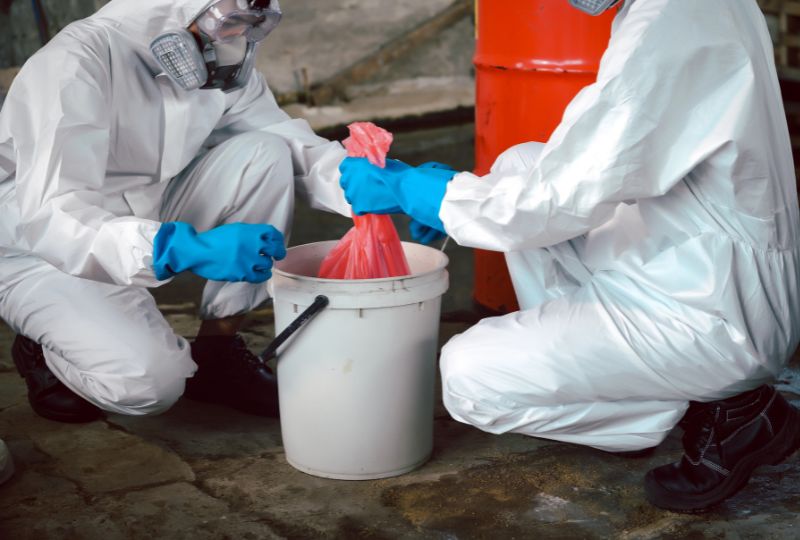
- Regulated Waste Disposal: Any contaminated materials, single-use PPE, or unsalvageable items are strictly handled as regulated medical waste (RMW). We pack everything into leak-proof, puncture-resistant red biohazard containers labeled per OSHA, EPA, and New York State standards. Finally, we transport the waste to licensed facilities for disposal and destruction.
New York strictly enforces how biohazardous waste is stored, transported, and burned. Omni Clean is licensed, bonded, and insured, keeping you fully compliant and protected from liability.
 Common Health Hazards That Require Professional Decontamination
Anytime there is reason to believe that an environment may contain blood, bodily fluids, and other common health hazards, professional decontamination and specialized remediation may be necessary. Professional decontamination and specialized remediation are necessary to safely neutralize biohazards, protect occupants, and restore the property to a healthy state. Our certified technicians use hospital-grade disinfectants, specialized Personal Protective Equipment (PPE), and strict containment protocols in compliance with regulatory standards set by OSHA, the CDC, and the EPA.
- Blood cleanup: Blood is classified as a primary biohazard due to the risk of bloodborne pathogens (BBPs), such as Hepatitis B (HBV), Hepatitis C (HCV), and Human Immunodeficiency Virus (HIV). Whether it’s from an accident, trauma, a crime scene, or a medical emergency, blood quickly saturates porous materials such as carpet, drywall, subflooring, and upholstery as a sticky residue. The proteins in blood make it nearly impossible to clean and sanitize affected surfaces without professional help. Professional cleanup requires strict compliance with OSHA Bloodborne Pathogens Standard (29 CFR 1910.1030).
- Bodily fluid cleanup: Bodily fluids like vomit, urine, feces, amniotic fluid, and synovial fluid can carry dangerous bacteria and viruses, including Norovirus and Rotavirus. Some of these fluids are also acidic, which means they can permanently damage building materials and leave behind stubborn, foul smells.
Thermal foggers, hydroxyl generators, and enzyme neutralizers are deployed to eradicate dangerous pathogens and eliminate odors, restoring the space with clean, healthy air quality. - Human waste cleanup: Human waste can contain dangerous pathogens like E. coli, Salmonella, and Giardia, which can quickly contaminate floorboards and structural framing.
Professional decontamination requires following strict industry protocols, which include negative-pressure containment, bulk waste extraction, and sanitizing affected areas with industrial microbicides. - MRSA cleanup: Methicillin-Resistant Staphylococcus aureus (MRSA) is an infectious, antibiotic-resistant superbug that can survive on various surfaces, such as gym equipment, locker rooms, athletic gear, and mattress covers for several weeks. Since MRSA is resistant to most hospital-grade disinfectants, industry protocols call for electrostatic disinfectant sprayers and EPA List H disinfectants to clean MRSA-infected surfaces and hard-to-reach areas, reducing the chance of reinfection in high-density facilities.
- C. diff cleanup: Clostridioides difficile (C. diff) is a highly resilient bacterial hazard due to its hard, protective spores that allow it to stay live on surfaces for months. C. diff spores are immune to standard alcohol-based cleaners and disinfectants. Safe and effective decontamination requires a certified technician with specialized training on the use of EPA List K sporicidal agents, adherence to precise wet-contact times, and strict cross-contamination protocols to completely eradicate active spores.
- Rodent contamination: Rodent infestations are extremely common but can carry severe diseases, including Hantavirus Pulmonary Syndrome (HPS), Leptospirosis, and Lymphocytic Choriomeningitis (LCMV).
- Dusting or dry-vacuuming rodent waste is not recommended, as it can cause microscopic viral particles to become airborne, resulting in cross-contamination via air ducts and vents. Professional remediation requires the precise application of a microbicidal mist before manual removal.
- Hospital & Medical Facility Cleanup: Long Island hospitals and medical facilities must follow strict, ongoing sanitation protocols to prevent Healthcare-Associated Infections (HAIs). Whenever blood or biohazardous material contaminates an area, certified technicians step in immediately to isolate the space and handle the cleanup in line with CDC and OSHA standards. They properly dispose of Regulated Medical Waste (RMW) under NYS Department of Health regulations and treat the surfaces using EPA-registered, hospital-grade disinfectants. Finally, the team performs ATP (adenosine triphosphate) bioluminescence testing to confirm the area is completely sanitized and safe for staff and patients to use again.
Why Omni Clean Is a Trusted Biohazard Decontamination Resource
 For over a decade, Omni Clean has been the trusted biohazard decontamination resource, earning the trust of commercial and residential property owners, first responders, medical facilities, and government agencies from Babylon to Montauk and surrounding towns on Long Island. When facing complex biological hazards or sensitive trauma scenes, clients rely on our fast response, certified and compassionate technicians, and our advanced remediation technology.
Here’s why you can trust us too:
- Extensive Training & Regulatory Compliance: Biohazard remediation is a specialized science that requires extensive OSHA Biohazard Training and IICRC certification in accordance with the ANSI/IICRC S540 Standard. We strictly adhere to OSHA standards (including the Bloodborne Pathogens Standard 29 CFR 1910.1030), EPA regulations, and New York State Department of Health regulations for the safe handling, containment, transport, and disposal of biohazardous waste. As a fully licensed, bonded, and insured local company, we ensure that every scene is remediated to a safe and sanitary condition before certifying the space ready for re-entry.
- Hospital-grade Disinfectants & Advanced Equipment: Standard residential and janitorial cleaners and off-the-shelf consumer products are no match for resilient pathogens such as C. diff spores, MRSA, and norovirus, as well as airborne toxins. Omni Clean administers EPA-registered, broad-spectrum hospital-grade disinfectants and sporicides that have been scientifically proven to neutralize dangerous viruses and bacteria on contact. In addition, our state-of-the-art equipment, including electrostatic sprayers, hydroxyl generators, thermal foggers, and HEPA air-scrubbing filtration, enables us to provide complete microbicidal coverage across hard-to-reach surfaces and structural materials.
- Health-Focused Expertise: From crime scenes and medical waste to hoarding and animal contamination, we safely decontaminate and remediate complex environmental health hazards. Every cleanup is handled with clinical precision and follows all OSHA, EPA, and CDC regulations to keep everyone involved safe and prevent cross-contamination. We conduct a final inspection and testing to ensure the area is safe for re-occupancy.
- Transparency & Client Education: Being in the middle of a biohazard event can be confusing and overwhelming, which is why we take the time to educate property owners, facility managers, and families on the remediation process. From explaining how our multi-stage decontamination works to helping clients navigate insurance claims, even billing major insurance providers directly to minimize out-of-pocket costs, we provide transparent, step-by-step guidance every step of the way for complete peace of mind.
Biohazard Decontamination FAQ
If you find yourself in the middle of a potential biohazard scene, don’t panic. The best thing to do is stay calm, avoid the area, and contact a decontamination specialist, such as Omni Clean, for professional guidance on next steps. Below, we have answered some of the most frequently asked questions about biohazard decontamination:
How fast does it take for a cleanup team to respond?
Omni Clean is available 24/7 every day of the year. We can typically have a certified remediation team on site anywhere across Long Island within 1 to 3 hours.
How long does the cleanup process take?
When our team arrives on site, they will conduct an initial site evaluation to determine the extent of the biohazard. The lead technician will provide you with an accurate timeline tailored to your property’s condition. As a rule of thumb:
- Minor or localized scenes are usually resolved in 2 to 6 hours.
- Moderate to severe scenes, such as extensive decomposition, hoarding, or multi-room contamination, may take 1 to 3 days.
How much does biohazard remediation cost?
Because every situation is different and requires a customized remediation plan, the actual costs depend on several critical factors:
- The overall size of the affected area and the scope of work.
- The degree of biological saturation (e.g., surface contamination vs. penetration into subflooring or drywall).
- The amount of regulated medical waste requiring specialized disposal.
- The level of Personal Protective Equipment (PPE) and heavy equipment (such as HEPA air scrubbers or hydroxyl generators) required.
After an initial assessment, our certified technicians provide a detailed, line-item estimate so you know exactly what to expect before work begins.
Does homeowners or commercial property insurance cover biohazard cleanup?
Yes, in the vast majority of cases. Most standard homeowners, commercial liability, and property management insurance policies cover biohazard cleanup and property restoration resulting from traumatic accidents, crime scenes, or unattended deaths.
Can you bill my insurance directly?
Yes. We will work directly with your homeowners, commercial property, or auto insurance carrier to submit the required documentation, photos, and itemized billing to process your claim on your behalf.
When can we safely re-enter the property?
You can re-enter as soon as our technicians perform the final clearance check and remove containment barriers. We use advanced verification methods (such as ATP surface testing) to confirm that all biological materials have been completely removed and that the air quality is clean and safe.
Need immediate assistance or have questions about a biohazard concern? Contact the certified remediation specialists at Omni Clean or explore our Biohazard Cleaning Services.