
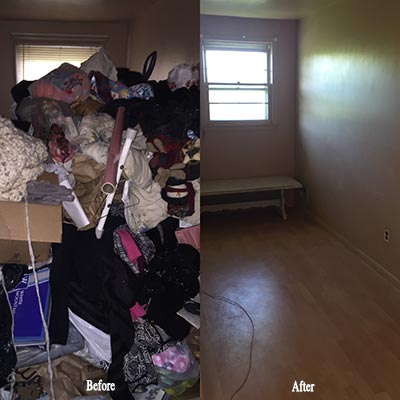
Hoarding cleanup is rarely straightforward, and it becomes even more complicated when the home belongs to someone you love. If you’ve recently walked into a parent’s or grandparent’s house and felt that quiet wave of alarm, you’re not alone. Families across Queens, Massapequa, Lindenhurst, Deer Park, Bay Shore, and surrounding areas contact us regularly because a loved one’s home has quietly crossed the line from cluttered to genuinely unsafe. Knowing what to do next, and how to do it without damaging the relationship, is something we’ve helped many families work through.
Recognizing When It’s More Than Clutter
There’s a real difference between a messy home and a hazardous one. For families of aging parents, that line can be hard to see when changes have happened gradually over years. Some signs that a home has moved into biohazard territory include blocked exits, animal waste, visible mold or moisture damage, spoiled food accumulation, or evidence of rodent activity. In those situations, the cleanup is no longer just a matter of organizing. It requires trained professionals using proper protective equipment and disposal protocols.
The emotional weight here is significant. Many seniors living in these conditions feel a deep sense of shame or fear around having anyone come in. As a family member, you may be managing your own worry while also trying to protect your parent’s dignity. We understand that completely, and it shapes how we approach every job.
How to Start the Conversation with Your Loved One
Before a cleanup can happen, there usually has to be a conversation. A few things tend to help:
- Come from a place of care, not judgment. Frame it around safety and health rather than the mess itself.
- Involve other trusted voices if needed, whether that’s another family member, a doctor, or a social worker.
- Give your loved one some sense of control. Ask which items they want set aside or reviewed before anything leaves the home.
- Be patient. This conversation rarely resolves in one sitting.
When the time comes to bring in a cleanup team, having a professional they can speak with directly can actually help. Here at Omni Clean, clients and their families speak directly with a certified biohazard technician, not a call center. For seniors especially, that human connection makes a difference.
What a Professional Hoarding Cleanup Actually Involves
A lot of families assume the process is just hauling things out. It’s more involved than that, particularly in homes where hoarding has been ongoing for years. Our technicians conduct a thorough assessment of the space first, identifying any biological hazards like rodent droppings, sewage issues, decomposition, or mold. From there, we develop a detailed job scope so the family understands exactly what will be done and in what order.
Cleanup proceeds in phases. Debris removal, surface disinfection, odor treatment, and disposal of any biohazardous material all happen as part of a coordinated process. In homes across Suffolk County communities like Lindenhurst and Deer Park, or in denser residential neighborhoods in Queens and Bay Shore, the logistics can vary, but the standard of care stays the same.
One thing many families don’t realize is that hoarding cleanup is often covered by homeowner’s insurance. We work with all major home insurance carriers, and in most cases there is no out-of-pocket cost. We can help guide families through that process, which takes one more burden off an already stressful situation.
Supporting Your Loved One After the Cleanup
The physical cleanup is one part of a longer process. Without additional support, the conditions that led to hoarding can return. Connecting your parent with a therapist who specializes in hoarding disorder, or reaching out to local senior services for regular check-ins, can make a real difference in the long term. Many senior communities and assisted living facilities in the areas we serve have social workers on staff who can be a helpful point of contact.
Our role ends when the home is safe and clean, but we want families to feel informed and supported throughout the process. We’re transparent about what we find, honest about what the work involves, and available around the clock. Emergency calls typically get a response within an hour, because we know these situations don’t follow a schedule.
You Don’t Have to Figure This Out Alone
If you’re a family member trying to help a parent in Massapequa, Queens, Lindenhurst, Deer Park, Bay Shore, or anywhere across Long Island and surrounding areas, please give us a call or drop us an email. We’re here to answer questions, walk you through what to expect, and help you take the next step at whatever pace makes sense for your family.