
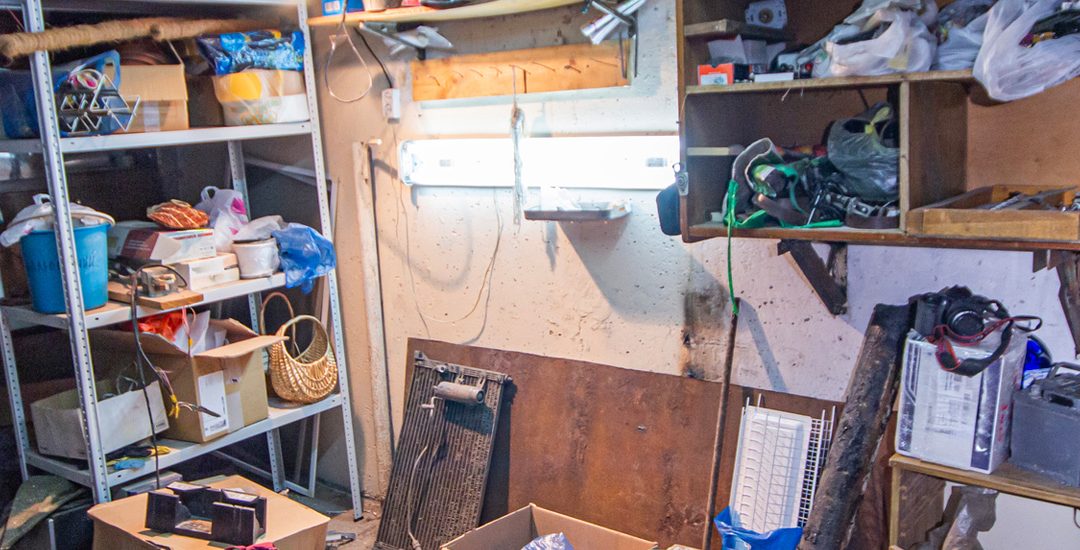
When an assisted living facility or senior housing community discovers a hoarding situation in a resident’s room or unit, the path forward can feel overwhelming. Professional hoarder cleanup in these settings involves a lot more than simply clearing out clutter. There are health hazards, emotional sensitivities, family members to communicate with, and compliance considerations all happening at the same time. Having a clear picture of what this process involves can help facility administrators, staff, and families make faster, more confident decisions.
Why Hoarding in Senior Communities Presents Unique Challenges
Hoarding among older adults is more common than many people realize, and assisted living communities across Queens, Hempstead, Huntington, Bay Shore, and Deer Park are increasingly confronting this issue as their populations age. What makes it particularly complex in a senior living context is that the accumulation of items often happens gradually, sometimes over years, and may not be identified until conditions have become a genuine health and safety concern.
By the time a facility calls us, a room may contain rotting food, rodent droppings, mold, biohazardous waste, or severe structural clutter. These are not conditions that a general cleaning crew is equipped to handle safely. Professional biohazard technicians trained in hoarder cleanup know how to assess, contain, and remediate these environments without creating additional risk for residents, staff, or neighboring units.
The Role of Family Members in the Cleanup Process
In most cases, family is involved, and that is a good thing. Adult children, particularly daughters, are often the ones advocating for a parent and coordinating with the facility. They may feel guilt, grief, and frustration all at once. Part of our job is to communicate clearly and compassionately so that families feel informed, not blindsided, at every step.
We always recommend that facilities loop family members in early, before cleanup begins. This gives loved ones an opportunity to identify any personal belongings of sentimental or financial value before items are removed. It also gives our team the chance to speak directly with the family and explain exactly what the job scope will look like. When families understand the process, the whole effort tends to go more smoothly for everyone, including the resident.
What the Cleanup Process Actually Looks Like
Every situation is different, but there is a general framework we follow. When you contact us, you speak directly with a certified biohazard technician, not a call center representative. That matters because the person answering your questions actually knows what they’re talking about and can give you a realistic picture of what to expect.
From there, we develop a detailed job scope before any work begins. This document outlines what will be removed, what methods will be used, and how hazardous materials will be disposed of properly. For facilities in Queens, Hempstead, Huntington, and the surrounding Long Island area, we can typically be on-site within an hour of an emergency call. We operate around the clock, every day of the week, because these situations rarely happen at a convenient time.
The cleanup itself may involve removing biohazardous waste such as rodent droppings or sewage, treating affected surfaces with professional-grade disinfectants, performing odor removal, and ensuring the space is genuinely livable again, not just visually tidier. We stand behind our work completely.
Insurance and Out-of-Pocket Costs
One of the most common concerns we hear from both facilities and families is cost. The good news is that in many cases, there is no out-of-pocket expense. We work with all major home insurance carriers, and our team can help walk you through what is typically covered. For assisted living administrators in Bay Shore, Deer Park, and other parts of Long Island and New York City, it is worth initiating that conversation early so there are no surprises.
How Facilities Can Be Better Prepared
If your community does not already have a protocol for identifying and responding to hoarding situations, now is a good time to develop one. Early intervention almost always leads to less extensive, less expensive cleanup. Staff training that helps team members recognize warning signs, like persistent odors, difficulty entering a room, or visible clutter near doorways, can make a meaningful difference in outcomes for residents and for the facility itself.
Building a relationship with a trusted biohazard cleanup company before an emergency arises means you will have someone to call immediately when the situation demands it. We work regularly with senior communities, property managers, and families across Long Island and the Queens area, and we understand the particular pressures these environments carry.
If your facility is facing a hoarding cleanup situation right now, or if you just want to ask questions and understand your options better, please give us a call or drop us an email. We are here any time, day or night, and we are happy to help.